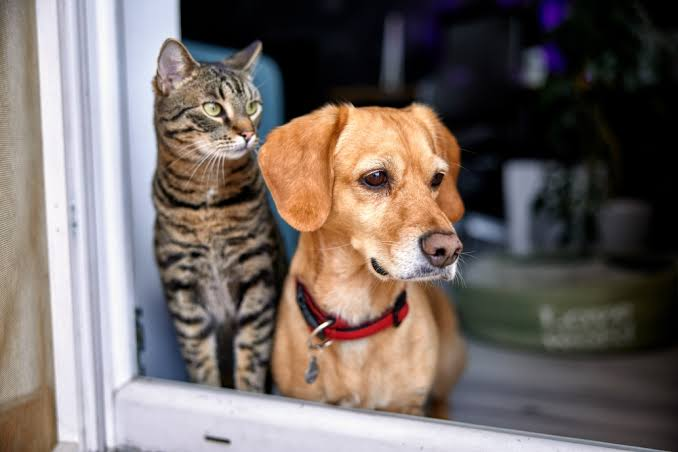
Spaying or neutering is an important part of responsible pet care. These procedures help prevent unwanted litters and may offer certain health and behavioral benefits for dogs and cats. If you are considering spay and neuter in Renton, understanding each stage of the process can help you prepare and make informed decisions about your pet’s care.
From the initial veterinary consultation to post-surgery recovery, your pet’s needs should guide every step. A veterinarian can evaluate your pet’s health, discuss the appropriate timing, explain the procedure, and provide instructions for a comfortable recovery.
Understanding Spaying and Neutering
Spaying and neutering are surgical procedures performed to prevent animals from reproducing. Although both procedures serve this purpose, they involve different surgical approaches depending on the pet’s sex. A spay and neuter clinic in Renton can guide pet owners through these procedures and explain what to expect before and after surgery.
What Is Spaying?
Spaying is a surgical procedure performed on female dogs and cats. It typically involves removing the ovaries and, in many cases, the uterus. The procedure prevents pregnancy and eliminates heat cycles. Your veterinarian can explain the surgical approach recommended for your pet based on age, health, and individual circumstances.
What Is Neutering?
Neutering generally refers to the surgical procedure performed on male dogs and cats. It typically involves removing the testicles, preventing the animal from fathering offspring. The procedure may also reduce certain hormone-related behaviors, although results vary between individual pets.
Why Pet Owners Consider Spay and Neuter in Renton
Many pet owners choose spaying or neutering as part of their animal’s long-term healthcare plan. These procedures can offer benefits beyond preventing unwanted pregnancies.
Potential Health Benefits
Spaying and neutering may reduce the risk of certain reproductive health conditions. Spaying eliminates the possibility of uterine infections when the uterus is removed and prevents ovarian disease when the ovaries are removed. Neutering eliminates the risk of testicular cancer. Your veterinarian can discuss other potential health considerations based on your pet’s breed, age, and medical history.
Behavioral and Population Benefits
Spaying and neutering may reduce some hormone-related behaviors, such as roaming and certain mating-related behaviors. However, these procedures are not a guaranteed solution for every behavioral concern. Preventing unplanned litters also helps reduce the number of unwanted animals entering shelters and rescue organizations.
The Initial Consultation at a Renton Spay and Neuter Clinic
Before scheduling surgery, your pet should have a veterinary consultation. This appointment allows the veterinarian to assess overall health and determine whether the procedure is appropriate.
Reviewing Your Pet’s Medical History
The veterinary team may ask about your pet’s age, breed, vaccination history, current medications, previous surgeries, and existing medical conditions. Be sure to mention changes in appetite, energy levels, digestion, or behavior. Sharing accurate information helps the veterinarian identify concerns that may affect anesthesia or surgery.
Physical Examination and Pre-Surgical Testing
A physical examination helps the veterinarian evaluate your pet’s general health. Depending on the animal’s age and medical history, bloodwork or other diagnostic tests may be recommended before surgery. These assessments help identify potential risks and support decisions about anesthesia and surgical planning.
Discussing the Right Time for Surgery
The appropriate age for spaying or neutering can vary. Factors such as breed, size, sex, health, and development may influence the recommended timing. Ask your veterinarian about the advantages and considerations of performing the procedure at different stages of your pet’s life rather than relying on a single age recommendation.
Preparing Your Pet for Surgery
Following pre-surgical instructions is important for your pet’s safety. Your veterinary team will explain how to prepare your dog or cat before the scheduled procedure.
Following Feeding and Medication Instructions
Your veterinarian may provide specific fasting instructions before anesthesia. Follow the recommended timing carefully, as food in the stomach can increase certain anesthesia-related risks. Also, discuss all medications and supplements your pet takes. Do not stop or change prescribed medication unless the veterinary team advises you to do so.
Preparing for the Appointment
Before taking your pet to the clinic, consider the following:
- Use a secure carrier for cats and small pets.
- Bring any requested medical records.
- Follow the clinic’s feeding and medication instructions.
- Ask when your pet should arrive and when pickup is expected.
- Arrange a quiet, comfortable recovery space at home.
Confirm any additional requirements directly with your veterinary provider.
What Happens During Animal Spay and Neuter in Renton?
Understanding the surgical process can help reduce uncertainty before your pet’s appointment. The team at an animal hospital in Renton will explain the procedure and answer questions about anesthesia, monitoring, and recovery.
Anesthesia and Patient Monitoring
Spaying and neutering are generally performed under general anesthesia. Before surgery, the veterinary team assesses your pet and prepares an appropriate anesthesia plan. During the procedure, trained veterinary professionals monitor important health indicators. The type of monitoring and anesthesia approach may depend on your pet’s condition and the clinic’s protocols.
The Surgical Procedure
The surgical approach differs between male and female animals. Spaying typically involves an abdominal incision, while routine neutering in male dogs and cats generally involves a smaller surgical site. The veterinarian performs the procedure using appropriate surgical techniques and closes the incision according to the individual case.
Waking Up After Surgery
After the procedure, your pet is monitored while recovering from anesthesia. The veterinary team checks their condition and provides appropriate pain management and post-operative care. Your pet may be sleepy or less active initially. The clinic will explain when your pet is ready to go home and provide instructions for continued recovery.
Caring for Your Pet After Surgery
Recovery at home is an important part of the spay and neuter process. Following the veterinarian’s instructions can help protect the surgical site and support healing.
Creating a Comfortable Recovery Area
Prepare a quiet, clean space where your pet can rest without being disturbed. Keep food, water, and bedding accessible, and limit access to stairs or furniture if jumping could affect the incision. For the first few days, supervise your pet and follow the activity restrictions provided by the veterinary team.
Preventing Licking and Excessive Activity
Pets may try to lick or chew their incision, which can interfere with healing. Your veterinarian may recommend an Elizabethan collar or recovery suit to protect the surgical area. It is also important to recognize signs your pet needs a veterinary checkup sooner, especially if you notice unusual swelling, discharge, persistent discomfort, or changes in behavior. Important recovery precautions include:
- Avoid running, jumping, and rough play.
- Follow instructions about leash walks and outdoor activity.
- Keep the incision clean and dry.
- Prevent your pet from licking or chewing the surgical site.
- Give prescribed medications exactly as directed.
Do not apply creams, ointments, or cleaning products to the incision unless instructed by your veterinarian.
Monitoring the Surgical Site
Check the incision regularly for changes. Mild swelling or bruising may occur, but increasing redness, discharge, an unpleasant odor, opening of the incision, or significant swelling should be reported to your veterinarian. Contact the clinic if your pet experiences repeated vomiting, severe lethargy, difficulty breathing, uncontrolled pain, or refuses food beyond the timeframe provided in the discharge instructions.
How Long Does Recovery Take?
Recovery time varies depending on the procedure, your pet’s age, overall health, and individual healing process. Many pets need approximately 10 to 14 days of restricted activity after routine surgery, although your veterinarian may recommend a different timeframe.
Follow-Up Appointments
Your veterinarian may schedule a follow-up visit to assess healing and determine whether additional care is needed. Attend the recommended appointment even if your pet appears to be recovering well. If you notice concerning symptoms before the scheduled checkup, contact the veterinary clinic rather than waiting.
Choosing the Right Spay and Neuter Clinic in Renton
Selecting a veterinary provider involves considering your pet’s needs, the clinic’s services, and the support available before and after surgery.
Questions to Ask Before Scheduling
Before choosing a Renton spay and neuter clinic, consider asking:
- What pre-surgical examination and testing are recommended?
- How will my pet be monitored during anesthesia?
- What pain management is provided?
- What should I expect during the first few days of recovery?
- Who should I contact if complications occur?
- Is a follow-up examination included or recommended?
Clear answers can help you understand the process and feel more prepared for your pet’s appointment.
Conclusion
Spaying or neutering is a significant healthcare decision that deserves careful planning. From the initial consultation and pre-surgical assessment to anesthesia, surgery, and home recovery, each stage plays an important role in your pet’s care. When considering spay and neuter in Renton, speak with a veterinarian about your pet’s individual needs, the appropriate timing, and the recommended recovery plan.
With professional guidance and attentive aftercare, you can help your pet through the procedure and support a safe recovery. Planning to spay or neuter your pet? Get in touch with Happy Tails Animal Hospital to learn more about spay and neuter services in Renton and schedule a consultation for your pet.
FAQs
1. At what age should I spay or neuter my pet?
The recommended age varies depending on your pet’s breed, size, sex, health, and development. Your veterinarian can help determine the most appropriate timing.
2. How long does spay or neuter surgery take?
The procedure itself may take anywhere from a short period to longer depending on the type of surgery and individual circumstances. The total clinic visit also includes preparation, anesthesia, and recovery monitoring.
3. How long should my pet rest after spay or neuter surgery?
Many pets need around 10 to 14 days of restricted activity after routine surgery. Follow your veterinarian’s specific instructions, as recovery needs can vary.
4. Will my pet experience pain after surgery?
Some discomfort is expected after surgery, but veterinarians provide pain management to help keep pets comfortable. Give prescribed medication as directed and contact the clinic if your pet appears to be in significant pain.
5. What should I do if my pet licks the incision?
Prevent further licking or chewing by using the protective collar or recovery garment recommended by your veterinarian. Contact the clinic if the incision becomes swollen, opens, bleeds, or develops discharge.