Knowing when should I take my pet to the vet can help pet owners stay proactive about their companion’s health. Changes in behavior, appetite, energy, or physical condition can provide useful signals that a veterinary checkup may be appropriate. Regular exams also give veterinarians an opportunity to assess overall health and monitor changes over time.
Why Regular Veterinary Checkups Matter
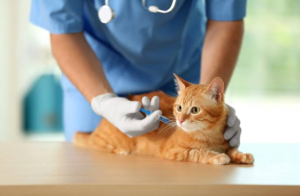
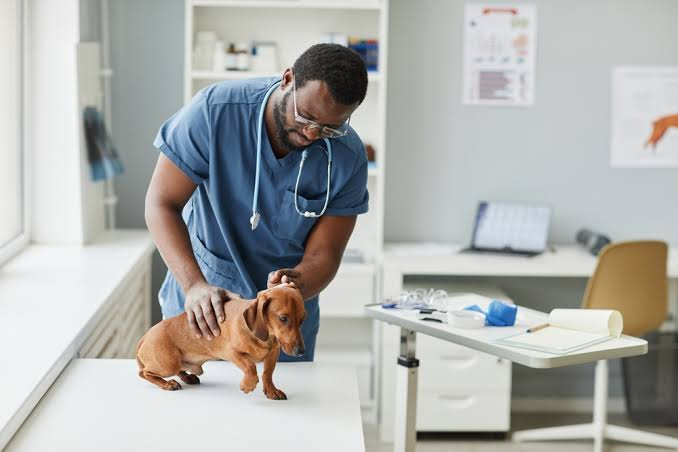
Regular veterinary checkups are an important part of maintaining your pet’s overall health. Even when your dog or cat appears healthy, routine exams allow a veterinarian in Renton to monitor weight, dental health, nutrition, skin, coat, mobility, and other areas of wellness. Understanding when should I take my pet to the vet can also help you recognize changes that deserve professional attention.
Changes in Appetite or Drinking
Changes in your pet’s appetite or water intake can be useful indicators of their overall health. Eating more or less than usual, losing interest in food, or drinking noticeably more or less water may be worth discussing during a veterinary visit. Keeping track of changes in eating and drinking habits can give your veterinarian valuable information about your pet’s routine.
Changes in Energy and Activity
Every pet has its own normal level of energy, making changes from that routine important to notice. A pet that becomes less interested in walks, play, exercise, or interaction may benefit from a veterinary checkup. Changes in activity can also occur gradually, so paying attention to your pet’s everyday habits can help you identify differences early.
Changes in Weight or Body Condition
Unexpected changes in body weight can be among the most noticeable pet health warning signs. Weight changes may be associated with diet, activity levels, age, or other aspects of your pet’s health. Regular weight checks during veterinary exams help establish a clear picture of your pet’s body condition and support appropriate nutrition and wellness planning.
Changes in Bathroom Habits
Your pet’s bathroom habits can provide useful information about their health. Changes in urination frequency, bowel movements, stool consistency, or regular bathroom routines may be worth mentioning to your veterinarian. Recording when you first notice a change and how frequently it occurs can make the veterinary visit more informative.
Changes in Behavior
Behavioral changes can sometimes be subtle, especially when they develop gradually. Your pet may become more or less social, sleep differently, show changes in their usual routines, or interact differently with family members. Since pet owners are familiar with their animals’ normal personalities, noticing these changes can be helpful when discussing your pet’s health with a veterinarian.
Changes in Grooming Habits
Grooming behavior can also provide clues about your pet’s overall wellness. Cats may change how frequently they groom themselves, while dogs may show increased attention to particular areas of their body. Changes in scratching, licking, coat condition, or grooming habits can be documented and discussed during a veterinary checkup.
Changes in Breathing or Exercise Tolerance
Changes in your pet’s usual breathing patterns or ability to participate in everyday activities are worth paying attention to. If your pet becomes less comfortable during normal exercise or shows a noticeable difference in breathing, a veterinary evaluation can help assess their overall condition. Sharing when the change occurs and what activities are involved can help your veterinarian understand the situation.
Changes in Eyes, Ears, Skin, or Coat
Your pet’s eyes, ears, skin, and coat can change over time, making regular observation an important part of everyday wellness care. Changes in appearance, odor, discharge, irritation, or coat quality can be discussed during a veterinary visit. Routine exams also give your veterinarian an opportunity to evaluate these areas as part of a complete health assessment.
Dental Health Changes
Dental health plays an important role in your pet’s overall wellness. Changes in chewing, eating habits, breath, or interest in food can indicate that your pet may benefit from a dental evaluation. Regular veterinary exams allow the teeth and gums to be assessed and can help establish an appropriate dental care routine at home.
When Should I Take My Pet to the Vet?
Knowing when should I take my pet to the vet starts with understanding what is normal for your individual pet. A first veterinary visit may be appropriate when you notice a persistent or meaningful change in appetite, drinking, activity, behavior, weight, bathroom habits, grooming, or physical appearance. Your veterinarian can evaluate these observations and recommend appropriate care based on your pet’s individual needs.
Some changes worth discussing with your veterinarian include:
- A noticeable change in appetite or water intake
- Changes in energy, activity, or daily behavior
- Unexpected weight changes
- Differences in bathroom habits
- Changes involving the eyes, ears, skin, coat, or teeth
Veterinary Checkups for Senior Pets
Senior pets have changing wellness needs as they age, making regular veterinary care especially valuable. Routine exams can help monitor weight, mobility, dental health, nutrition, and other aspects of aging. Your veterinarian can also recommend a wellness schedule that reflects your senior pet’s age, lifestyle, and individual health needs.
Veterinary Visits for Puppies and Kittens
Puppies and kittens benefit from veterinary care as they grow and develop. Wellness visits provide opportunities to monitor growth, nutrition, vaccinations, parasite prevention, dental development, and general health. Regular veterinary care during the early stages of life can also help establish healthy routines that continue into adulthood.
Preparing for a Veterinary Visit
Preparing information about your pet before an appointment can help make the veterinary visit more productive. Consider noting changes in appetite, drinking, energy, behavior, weight, bathroom habits, grooming, or sleep. You can also prepare details about your pet’s diet, medications, supplements, exercise routine, and daily activities.
How Veterinary Exams Support Early Detection
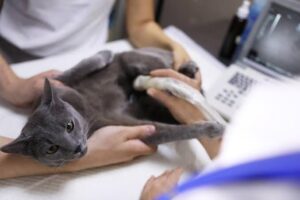
Regular veterinary exams provide an opportunity to monitor your pet over time rather than relying only on changes that are easy to see at home. A veterinarian can evaluate your pet’s physical condition and discuss changes in weight, nutrition, dental health, behavior, and other wellness factors. Consistent monitoring helps create a clearer picture of your pet’s individual health needs.
How Often Should Pets Have Veterinary Checkups?
The ideal frequency of veterinary checkups depends on your pet’s age, lifestyle, breed, health history, and individual needs. Puppies, kittens, senior pets, and animals with ongoing health considerations may have different wellness schedules. Your veterinarian can recommend an exam frequency that is appropriate for your pet and help you maintain consistent preventive care.
Supporting Your Pet’s Long-Term Wellness
Pet owners play an important role in maintaining everyday wellness by becoming familiar with their pets’ normal routines. Monitoring appetite, activity, behavior, weight, grooming, bathroom habits, and appearance can make changes easier to recognize. Combining this observation with regular veterinary care creates a practical approach to supporting your pet’s health throughout different stages of life.
Conclusion
Knowing when should I take my pet to the vet begins with paying attention to changes in your pet’s normal routine. Regular veterinary checkups, everyday observation, and clear communication with your veterinarian can support ongoing wellness and early identification of health changes.
If you notice a meaningful difference in your pet’s appetite, activity, behavior, weight, bathroom habits, grooming, or appearance, discussing it with your veterinarian can help you understand the next appropriate step. Need a veterinary checkup for your pet? Reach out to Happy Tails Animal Hospital to schedule a routine exam and discuss your pet’s health and wellness needs.
FAQs
Q1. When should I take my pet to the vet?
Consider scheduling a veterinary visit when you notice a persistent or meaningful change in your pet’s appetite, drinking, activity, behavior, weight, bathroom habits, grooming, breathing, or physical appearance.
Q2. What are common pet health warning signs?
Common pet health warning signs include changes in appetite, drinking, weight, energy, behavior, bathroom habits, grooming, breathing, dental health, skin, coat, eyes, or ears.
Q3. How often should my pet have a veterinary checkup?
The recommended schedule depends on your pet’s age, lifestyle, breed, health history, and individual needs. Your veterinarian can recommend an appropriate wellness schedule.
Q4. Do senior pets need more frequent veterinary visits?
Senior pets can benefit from regular veterinary monitoring because their wellness needs may change with age. Your veterinarian can recommend a schedule based on your pet’s individual circumstances.
Q5. What should I tell my veterinarian during a veterinary visit?
Share any changes you have noticed in appetite, drinking, activity, behavior, weight, bathroom habits, grooming, sleep, diet, medications, or daily routine. These details can help your veterinarian evaluate your pet’s overall wellness.