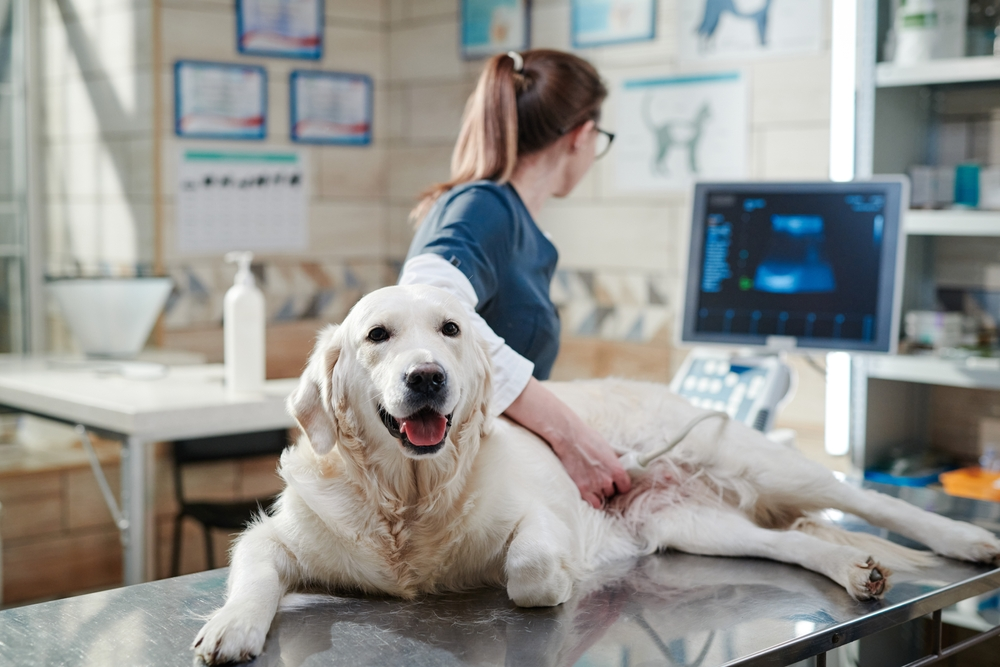
Routine veterinary checkups are an important part of maintaining your pet’s overall health. Pet wellness exams in Renton give veterinarians an opportunity to assess your pet’s current health, monitor changes over time, and discuss preventive care. Understanding what happens during a wellness exam can help pet owners prepare for appointments and know what to expect.
Pet wellness exams in Renton typically include a review of your pet’s health history, a physical examination, discussion of nutrition and behavior, preventive care recommendations, and assessment of factors such as weight and overall condition. Veterinary wellness exams may also include vaccinations, parasite prevention, dental evaluation, diagnostic testing, or other services when appropriate. The specific components of an animal wellness exam appointment depend on the pet’s age, species, health history, lifestyle, and individual needs.
What Is a Pet Wellness Exam?
A pet wellness exam is a routine veterinary appointment focused on assessing a pet’s overall health and supporting preventive care. Unlike an appointment focused on a specific illness or injury, a wellness visit provides an opportunity to look at the pet’s general condition and identify potential concerns that may not yet be obvious.
Reviewing Your Pet’s Health History
The veterinarian may begin by reviewing your pet’s medical history and asking questions about their daily routine. This can include changes in appetite, water consumption, activity levels, behavior, digestion, urination, or other aspects of their normal routine. Sharing even small changes can help the veterinarian build a more complete picture of your pet’s health.
Physical Examination
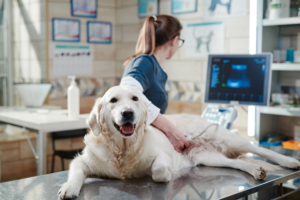
A physical examination is an important part of veterinary wellness exams in Renton. The veterinarian may assess your pet from nose to tail, looking at areas such as:
- Eyes and ears
- Mouth and teeth
- Skin and coat
- Heart and lungs
- Abdomen
- Muscles and joints
- Weight and body condition
- Lymph nodes
The exact examination may vary according to your pet’s species, age, and individual circumstances.
Checking Weight and Body Condition
Weight and body condition can provide useful information about a pet’s overall health. Your veterinarian may discuss whether your pet’s current weight is appropriate and provide guidance on nutrition, activity, or feeding routines if needed. Regular weight checks can also help identify gradual changes over time.
Evaluating Your Pet’s Dental Health
The veterinarian may examine your pet’s teeth, gums, and mouth during a wellness visit. Dental concerns can develop gradually, so routine oral examinations can help identify changes that may need additional attention. Your veterinarian can also discuss at-home dental care and professional dental services when appropriate.
Reviewing Nutrition
Nutrition plays an important role in maintaining your pet’s health. During a wellness appointment, you may discuss your pet’s current food, feeding schedule, treats, portion sizes, and nutritional requirements. Recommendations may vary based on age, activity level, body condition, and existing health considerations.
Discussing Exercise and Lifestyle
Your veterinarian may ask about your pet’s daily activity, environment, and lifestyle. Exercise recommendations can differ depending on your pet’s age, breed, physical condition, and individual needs. Lifestyle information can also help your veterinarian identify relevant preventive care considerations.
Vaccination Review
Vaccinations may be discussed during a wellness examination based on your pet’s age, vaccination history, lifestyle, and risk factors. Your veterinarian can explain which vaccinations are appropriate and when they should be administered.
Parasite Prevention
Fleas, ticks, intestinal parasites, and other parasites can affect pets. During pet wellness exams in Renton, your veterinarian may review your pet’s current parasite prevention routine and discuss appropriate options based on their lifestyle and risk factors.
Behavior and Mental Wellbeing
Behavior can provide useful information about a pet’s overall wellbeing. Experienced veterinarian in Renton may ask about changes in sleeping, eating, interaction, activity, or behavior. Discussing these changes can help determine whether further assessment or guidance may be appropriate.
Preventive Diagnostic Testing
Depending on your pet’s age, health history, lifestyle, and risk factors, your veterinarian may recommend diagnostic testing as part of preventive care. Testing can provide additional information that may not be identified through a physical examination alone.
Wellness Care for Puppies and Kittens
Young pets often have different wellness needs from adult or senior pets. Early veterinary visits can include monitoring growth and development, vaccinations, parasite prevention, nutrition guidance, and other age-appropriate preventive care. Your veterinarian can establish a schedule based on your puppy or kitten’s individual needs.
Wellness Care for Adult Pets
Adult pets can benefit from regular wellness examinations even when they appear healthy. Routine checkups provide opportunities to monitor weight, dental health, preventive care, behavior, and other aspects of ongoing health.
Wellness Care for Senior Pets
Senior pets may benefit from more frequent monitoring because Renton pet health needs can change with age. During senior wellness visits, your veterinarian may pay particular attention to mobility, weight, dental health, organ function, behavior, and other age-related changes.
What Should You Bring to a Wellness Exam?
Preparing relevant information can make the appointment more productive. Pet owners may want to bring:
- Current medication and supplement information
- Vaccination records if available
- Information about diet and feeding routines
- Notes about recent behavior changes
- Questions or concerns
- Information about parasite prevention
- Relevant previous veterinary records
How Often Should Pets Have Wellness Exams?
The appropriate frequency depends on factors such as age, species, health history, lifestyle, and individual risk factors. Your veterinarian can recommend an examination schedule that is appropriate for your pet.
What Happens After the Examination?
After the physical examination, the veterinarian can discuss their findings and answer your questions. They may recommend preventive care, diagnostic testing, vaccinations, dental care, nutrition changes, or follow-up appointments when appropriate.
Choosing Pet Wellness Exams in Renton
When choosing a provider for pet wellness exams in Renton, consider the veterinary team’s approach to preventive care, communication, examination services, and ongoing health monitoring. A consistent veterinary relationship can make it easier to track changes in your pet’s health over time.
Why Routine Wellness Exams Matter
Pets can sometimes hide signs of illness or discomfort, making regular veterinary examinations an important part of preventive care. Routine visits provide an opportunity to monitor your pet when they appear well and establish a baseline for comparison if health concerns develop later.
Conclusion
Pet wellness exams in Renton provide an opportunity to assess your pet’s overall health, review preventive care, and monitor changes over time. From physical examinations and dental checks to nutrition, vaccinations, parasite prevention, and age-appropriate care, the specific components of a wellness visit can vary according to your pet’s needs.
Regular veterinary checkups can help support informed decisions about your pet’s ongoing health and wellbeing. Visit Happy Tails Animal Hospital for pet wellness exams and routine veterinary care to help support your pet’s ongoing health and wellbeing.
FAQs
What is included in a pet wellness exam?
A wellness exam may include a health history review, physical examination, weight assessment, dental evaluation, nutrition discussion, vaccination review, parasite prevention, and other preventive care based on your pet’s needs.
How often should my pet have a wellness exam?
The appropriate schedule depends on your pet’s age, species, health history, lifestyle, and individual needs. Your veterinarian can recommend how frequently your pet should receive routine examinations.
Are wellness exams necessary if my pet appears healthy?
Yes. Pets may not always show obvious signs of health concerns. Routine wellness examinations allow veterinarians to monitor overall health and identify changes that may require further attention.
What should I bring to a pet wellness exam?
Bring relevant medical records, vaccination information, medication and supplement details, diet information, and notes about any recent changes in your pet’s behavior, appetite, activity, or routine.
What is the difference between a wellness exam and an illness appointment?
A wellness exam focuses primarily on routine health monitoring and preventive care, while an illness appointment generally addresses a specific symptom, condition, or health concern. The veterinarian can determine what type of evaluation your pet needs.