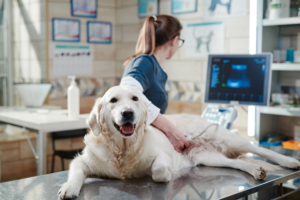
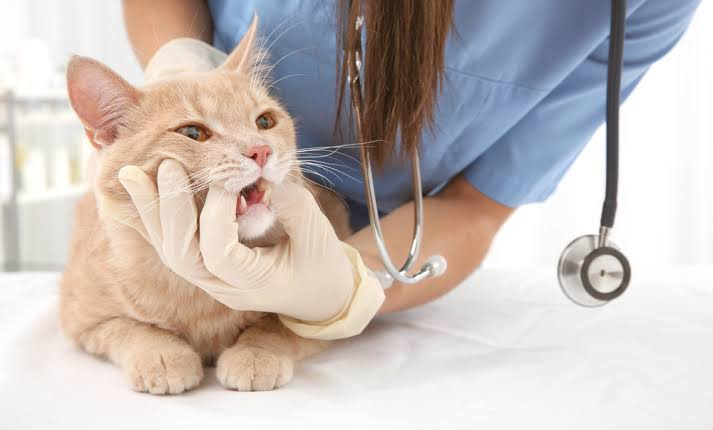
Good dental care is an important part of your pet’s overall health and comfort. Regular dental checks and appropriate at-home care can help identify oral health concerns before they become more advanced. Renton Pet Dental Care focuses on prevention, allowing pet owners to work with their veterinarian to monitor their pet’s teeth and gums and address concerns before they may require more extensive treatment.
Renton Pet Dental Care involves regular veterinary dental examinations, monitoring the teeth and gums, maintaining appropriate at-home oral hygiene, and addressing dental concerns early. Preventive care may help reduce the development of advanced dental disease and the need for procedures such as Dog Dental Extractions. Depending on your pet’s oral health, a veterinarian may recommend professional dental cleaning, dental imaging, extractions, or other treatment. Regular Pet Dental Care in Renton can help support your pet’s oral health and overall wellbeing.
Why Pet Dental Care Matters
Dental health is an important part of routine veterinary care. Plaque and tartar can build up on the teeth, while changes to the gums or mouth may develop gradually. Regular dental care gives veterinarians an opportunity to examine the mouth and identify concerns that may need attention.
Understanding Plaque and Tartar
Plaque is a film that can accumulate on the surface of the teeth. If it is not adequately removed, it can harden into tartar. Once tartar has formed, professional veterinary cleaning may be needed to remove it safely. Regular oral care can help manage plaque accumulation and support healthier teeth and gums.
Watch for Changes in Your Pet’s Mouth
Pet owners can monitor their pet for changes that may indicate an oral health concern. These may include:
- Bad breath that persists
- Red or swollen gums
- Visible tartar
- Changes in chewing
- Difficulty eating
- Dropping food
- Excessive drooling
- Pawing at the mouth
- Changes in normal eating habits
Any concerning changes should be discussed with a veterinarian.
The Importance of Regular Veterinary Dental Examinations
A veterinary dental examination allows the veterinarian to assess the visible teeth, gums, and other areas of the mouth. Regular examinations can help identify dental problems earlier, particularly when changes are not obvious to the pet owner.
Professional Dental Cleaning
When recommended by a veterinarian, professional dental cleaning can help remove plaque and tartar that cannot be adequately addressed through routine home care. Veterinary dental procedures are performed using appropriate clinical protocols, with the specific approach determined by the pet’s individual needs.
Why Dental X-Rays May Be Recommended
Some dental problems occur below the gumline and cannot be fully assessed by looking at the visible surface of the teeth. Dental radiographs can help veterinarians evaluate tooth roots and surrounding structures when clinically appropriate. This information can help guide treatment decisions.
When Does a Pet Need Dental Treatment?
The need for treatment depends on the condition of the pet’s teeth and gums and the findings of the veterinary examination. Early concerns may be managed through professional cleaning and ongoing preventive care, while more advanced problems may require additional treatment.
Preventing Dental Problems Before They Progress
Preventive care is most effective when it becomes part of a pet’s regular healthcare routine. Depending on your veterinarian’s recommendations, this may involve:
- Regular dental examinations
- Appropriate tooth brushing
- Veterinary-recommended dental products
- Monitoring for changes in the mouth
- Professional dental cleaning when recommended
- Following up on identified dental concerns
At-Home Dental Care for Pets
Home dental care can complement professional veterinary care. Pet owners can ask their veterinarian in Renton about suitable toothbrushes, toothpaste formulated for pets, dental diets, treats, or other products. The appropriate approach depends on the pet’s species, age, health, temperament, and individual dental needs.
Introducing Tooth Brushing Gradually
Some pets need time to become comfortable with dental care at home. Introducing oral hygiene gradually can make the process easier. Pet owners can discuss appropriate techniques and products with their veterinarian rather than introducing human dental products, which may not be suitable for pets.
How Diet Can Affect Dental Health
Diet can be one part of an overall dental care routine. Some veterinary diets and dental products are specifically formulated to support oral health. However, dietary choices should be discussed with a veterinarian to ensure they are appropriate for the individual pet.
When Dental Extractions May Be Necessary
In some cases, a tooth may be damaged, diseased, loose, or otherwise unsuitable for retention. When a veterinarian determines that removal is appropriate, a dental extraction may be recommended. Renton Dog Dental Extractions are performed as part of veterinary dental treatment when a dog’s affected tooth cannot be appropriately managed through other options.
Why Early Dental Care May Reduce the Need for Extensive Treatment
Identifying and addressing dental concerns early may help prevent some problems from progressing. Routine examinations and appropriate preventive care can provide opportunities to manage oral health before more advanced treatment becomes necessary. However, not every dental problem can be prevented, and some conditions may require treatment despite good home care.
Dental Care for Senior Pets
Older pets may require closer monitoring of their dental health because dental problems can accumulate over time. Senior pets should continue receiving regular veterinary examinations, with dental care adjusted according to their overall health and individual needs.
Dental Care for Puppies and Kittens
Starting appropriate dental care when pets are young can help establish a routine. Veterinarians can advise owners about developing teeth, appropriate home care, and when dental examinations should become part of regular veterinary visits.
Preparing for a Veterinary Dental Appointment
Before a dental appointment, pet owners can make a note of any changes they have noticed in their pet’s dental health, including changes in eating, chewing, breath, drooling, or behaviour. Providing your veterinarian with this information can help support a thorough assessment.
Questions to Ask Your Veterinarian About Pet Dental Care
Pet owners may want to ask:
- How often should my pet have a dental examination?
- What signs of dental disease should I watch for?
- Should I brush my pet’s teeth at home?
- Which dental products are appropriate?
- Does my pet need a professional dental cleaning?
- Could dental X-rays be recommended?
- Are there any teeth that require closer monitoring?
Choosing Pet Dental Care in Renton
When looking for Pet Dental Care in Renton, consider a veterinary practice that can provide routine dental examinations, preventive guidance, professional dental treatment when needed, and appropriate follow-up care. Your veterinarian can help develop a dental care plan based on your pet’s age, health, oral condition, and individual needs.
Conclusion
Preventive dental care can play an important role in supporting your pet’s oral health and identifying problems early. Regular veterinary examinations, appropriate home care, and professional dental treatment when recommended can help address concerns before they become more advanced.
While preventive care cannot eliminate every dental problem, consistent pet dental care can provide a strong foundation for your pet’s ongoing dental health. Contact Happy Tails Animal Hospital for comprehensive pet dental care, including dental exams, cleanings, and oral health support.
FAQs
How often should my pet have a dental examination?
The appropriate frequency depends on your pet’s age, health, dental history, and individual risk factors. Your veterinarian can recommend an examination schedule suited to your pet.
Can regular dental care prevent my dog from needing an extraction?
Preventive dental care may help reduce the development or progression of some dental problems, but it cannot guarantee that an extraction will never be needed. Some damaged or diseased teeth may require removal despite appropriate care.
What are signs that my pet may have a dental problem?
Persistent bad breath, tartar, red or swollen gums, difficulty chewing, dropping food, excessive drooling, pawing at the mouth, and changes in eating habits can be signs of an oral health concern.
Is brushing my pet’s teeth necessary?
Tooth brushing can be an effective part of at-home dental care for many pets. Ask your veterinarian about suitable products and techniques for your individual pet.
When are Renton Dog Dental Extractions needed?
A veterinarian may recommend an extraction when a tooth is significantly damaged, diseased, loose, or otherwise cannot be appropriately retained. The recommendation depends on the findings of the dental examination and any relevant imaging.