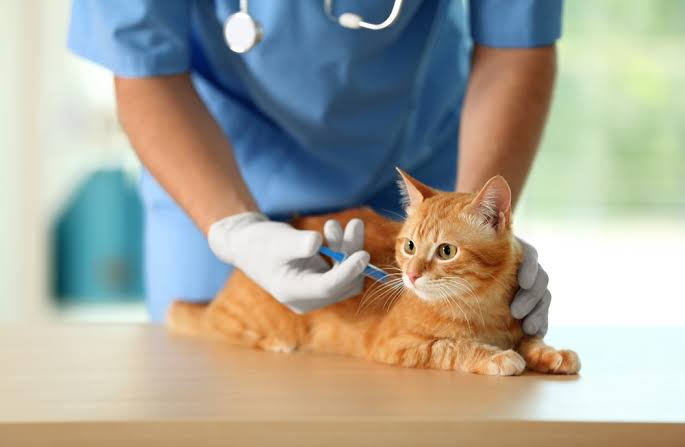
Pet vaccinations in Renton are an important part of preventive care for dogs and cats. Understanding common vaccines, vaccination schedules, lifestyle considerations, and regular veterinary visits can help pet owners make informed decisions about their pets’ ongoing health and wellness.
Why Pet Vaccinations Matter
Pet vaccinations are an important part of preventive veterinary care for dogs and cats. Vaccines help prepare the immune system to recognize and respond to specific diseases. An animal hospital in Renton can help keep your pet’s vaccinations current, supporting ongoing wellness and providing an important part of routine veterinary care. Your veterinarian can recommend a vaccination plan based on your pet’s age, lifestyle, health history, and potential exposure.
Some key benefits of maintaining an appropriate vaccination schedule include:
- Supporting your pet’s immune protection
- Maintaining consistent preventive veterinary care
- Meeting applicable vaccination requirements
- Supporting healthy routines throughout your pet’s life
Common Dog Vaccinations
Dogs may receive several core and lifestyle-based vaccines depending on their individual needs. Recommendations can vary based on age, environment, activities, travel, and interactions with other animals. Common dog vaccines may include rabies, distemper, parvovirus, adenovirus, Bordetella, and leptospirosis. Your veterinarian can determine which vaccines are appropriate for your dog and establish a suitable schedule.
Common Cat Vaccinations
Cats can also benefit from a vaccination plan tailored to their age, lifestyle, and health history. Even cats that spend most of their time indoors may have vaccination needs based on their individual circumstances. Common cat vaccines may include rabies, feline panleukopenia, feline herpesvirus, feline calicivirus, and feline leukemia virus when appropriate. Your veterinarian can explain which vaccines are recommended for your cat.
Pet Vaccination Schedules
Vaccination schedules can vary depending on whether your pet is a puppy, kitten, adult, or senior. Puppies and kittens generally begin receiving vaccinations during their early development, followed by additional doses as recommended by a veterinarian. Adult pets may receive booster vaccinations based on the specific vaccine, local requirements, lifestyle, and individual health considerations. A personalized schedule helps maintain appropriate preventive care throughout your pet’s life.
Puppy and Kitten Vaccinations
Puppies and kittens have developing immune systems and require a carefully planned vaccination schedule. Veterinary visits during their early months can include vaccinations along with assessments of growth, nutrition, parasite prevention, and general development. Establishing regular veterinary care early can help create a consistent wellness routine as your pet grows.
Vaccinations for Adult Dogs and Cats
Vaccination needs continue throughout adulthood. Some vaccines may require periodic boosters, while others may be recommended based on lifestyle and potential exposure. Your veterinarian can review your pet’s vaccination history and current needs to determine which vaccines are appropriate. Keeping accurate records can also make it easier to maintain a consistent preventive care schedule.
Vaccinations for Senior Pets
Senior pets continue to benefit from individualized veterinary care and vaccination planning. Age alone does not determine which vaccines are appropriate. Your veterinarian can consider your senior pet’s overall health, lifestyle, previous vaccination history, and potential exposure when developing a vaccination plan. Regular wellness exams can also help monitor other aspects of senior pet health.
Pet Vaccinations Based on Lifestyle
Vaccination recommendations can vary according to your pet’s daily activities and environment. Dogs that visit parks, boarding facilities, daycare, grooming facilities, or other locations where they interact with animals may have different vaccination considerations. Cats that spend time outdoors or live with multiple animals may also have different preventive care needs. Sharing information about your pet’s lifestyle helps your veterinarian create an appropriate vaccination plan.
What to Expect During a Vaccination Visit
A vaccination appointment typically begins with a veterinary assessment. Your veterinarian may review your pet’s medical history, vaccination records, age, lifestyle, and current health before recommending vaccines. The visit can also provide an opportunity to discuss nutrition, parasite prevention, dental care, behavior, and other aspects of your pet’s wellness.
During the appointment, your veterinarian may review:
- Current vaccination records
- Your pet’s age and health history
- Lifestyle and daily activities
- Previous vaccines and recommended boosters
- Other preventive care needs
Keeping Pet Vaccination Records Updated
Accurate vaccination records are useful for maintaining your pet’s preventive care. Records may include the vaccine administered, date of vaccination, and recommended follow-up schedule. These records may also be requested by boarding facilities, groomers, daycare providers, travel services, or other pet-care providers. Keeping everything organized makes future veterinary visits easier.
Pet Vaccination Clinics in Renton WA
Pet vaccination clinics in Renton WA can provide access to routine vaccination and preventive veterinary care for dogs and cats. When selecting a veterinary practice, consider whether the clinic offers wellness exams, maintains vaccination records, and provides individualized recommendations. Establishing an ongoing relationship with a veterinary team can make it easier to manage vaccinations and other routine health needs.
Animal Vaccinations in Renton Washington
Animal vaccinations in Renton Washington are an important part of preventive care for pets. Vaccination recommendations may depend on age, health history, lifestyle, local requirements, and exposure to other animals. Your veterinarian can explain which vaccines may be suitable for your dog or cat and when they should be administered. Regular veterinary appointments also provide opportunities to review your pet’s overall wellness.
Preparing for Your Pet’s Vaccination Appointment
Preparing a few details before an appointment can help make the visit productive. Bring your pet’s current vaccination records if available and be prepared to discuss their daily routine, travel, boarding, daycare, outdoor activities, and interactions with other animals. You can also share information about changes in appetite, energy, behavior, or general well-being.
Helpful information to bring or discuss includes:
- Previous vaccination records
- Current medications and supplements
- Your pet’s regular diet
- Travel or boarding plans
- Outdoor activities and animal interactions
Why Regular Veterinary Care Complements Vaccinations
Vaccinations are one part of a broader preventive care plan. Regular veterinary exams allow your veterinarian to monitor your pet’s overall health and make recommendations based on changes over time. Combining vaccinations with wellness exams, dental care, parasite prevention, nutrition guidance, and lifestyle discussions supports a comprehensive approach to your pet’s health.
Choosing a Vaccination Plan for Your Pet
Every pet has individual needs, so vaccination planning should be personalized. Your veterinarian can consider your pet’s age, previous vaccines, lifestyle, health history, and potential exposure when developing a recommended schedule. Maintaining a consistent veterinary care plan helps you stay informed about your pet’s preventive health needs.
Conclusion
Pet vaccinations in Renton are an important part of preventive veterinary care for both dogs and cats. From puppy and kitten vaccination series to adult and senior pet boosters, vaccination needs can change throughout your pet’s life.
Working with your veterinarian and maintaining accurate vaccination records can help you follow an appropriate schedule and support your pet’s ongoing wellness. Looking for pet vaccinations in Renton? Connect with Happy Tails Animal Hospital to discuss your pet’s vaccination needs and schedule an appointment.
FAQs
Q1. What vaccinations do dogs typically need?
Common dog vaccinations may include rabies, distemper, parvovirus, adenovirus, and other vaccines recommended according to the dog’s lifestyle and individual needs.
Q2. What vaccinations do cats typically need?
Common cat vaccinations include rabies and vaccines that protect against diseases such as feline panleukopenia, feline herpesvirus, and feline calicivirus. Your veterinarian can determine which vaccines are appropriate.
Q3. How often does my pet need vaccinations?
The recommended schedule depends on the specific vaccine, your pet’s age, health history, lifestyle, and applicable requirements. Your veterinarian can recommend an appropriate vaccination schedule.
Q4. Do indoor pets still need vaccinations?
Indoor pets may still have vaccination needs because potential exposure can occur through other animals, visitors, travel, veterinary visits, or environmental contact. Your veterinarian can assess your pet’s individual circumstances.
Q5. What should I bring to a pet vaccination appointment?
Bring your pet’s vaccination records if available and be prepared to discuss their lifestyle, travel, boarding, daycare, outdoor activities, and interactions with other animals. This information can help your veterinarian develop an appropriate preventive care plan.