Choosing to neuter your dog is an important decision that can provide long-term health and behavioral benefits. Many dog owners have questions about the procedure, including how to prepare, what happens during surgery, and how to care for their pet afterward. Understanding each stage of the process can help reduce anxiety and ensure your dog has a comfortable recovery.
Whether you have recently welcomed a puppy into your family or are considering the procedure for an older dog, learning about the surgery helps you make informed decisions. Experienced spay and neuter clinics in Renton provide professional care, guide you through every step, and answer any questions you may have before and after the procedure.
What Is Dog Neutering?
Neutering is a routine surgical procedure that removes a male dog’s testicles, preventing reproduction. The surgery is performed under general anesthesia by a licensed veterinarian. It is one of the most commonly performed veterinary procedures and is considered safe for healthy dogs when carried out by an experienced veterinary team.
Why Do Owners Choose to Neuter Their Dog?
Many owners decide to neuter their dog to help prevent unwanted litters and support their pet’s long-term health. Neutering may also help reduce certain hormone-related behaviors in some dogs. Your veterinarian can discuss the benefits based on your dog’s age, breed, health, and lifestyle.
Preparing for Surgery
Preparing your dog before surgery helps ensure the procedure goes as smoothly as possible.
Schedule a Pre-Surgical Examination
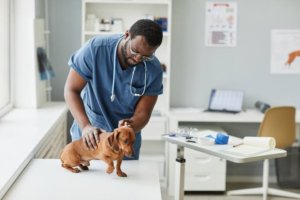
Before surgery, your veterinarian in Renton will perform a complete physical examination. Depending on your dog’s age and medical history, blood tests may also be recommended to assess overall health before anesthesia. These checks help identify any underlying conditions that may need additional attention.
Follow Fasting Instructions
Most veterinary clinics ask owners to withhold food for a specified period before surgery while allowing access to water until instructed otherwise. Following these instructions carefully helps reduce the risks associated with general anesthesia.
Prepare Your Home
Create a quiet, comfortable recovery area where your dog can rest after returning home. Soft bedding and a calm environment can help reduce stress during recovery. Planning ahead makes caring for your dog much easier after surgery.
What Happens During the Procedure?
Knowing what takes place during surgery often helps owners feel more confident.
Anesthesia
Your dog will receive general anesthesia so they remain asleep and pain-free throughout the procedure. The veterinary team carefully monitors heart rate, breathing, blood pressure, and other vital signs during surgery. Modern anesthesia protocols are designed to maximize safety.
The Surgical Procedure
The veterinarian performs a small incision to remove the testicles before closing the surgical site using sutures or surgical adhesive. The surgery itself is usually completed within a relatively short period, although preparation and recovery require additional time.
Recovery at the Clinic
Following surgery, your dog will be monitored until they are awake and recovering well from the anesthesia. Once the veterinary team is satisfied with your dog’s condition, you will receive detailed home care instructions before discharge.
Caring for Your Dog After Surgery
Proper aftercare plays an important role in a successful recovery.
Limit Physical Activity
Your dog should avoid running, jumping, rough play, and vigorous exercise while the surgical site heals. Short leash walks are usually recommended until your veterinarian advises that normal activity can resume.
Prevent Licking the Incision
Many dogs instinctively lick their surgical wound, which can delay healing or cause infection. Your veterinarian may recommend an Elizabethan collar or a recovery suit to protect the incision. Keeping the area clean and dry supports healthy healing.
Give Medications as Directed
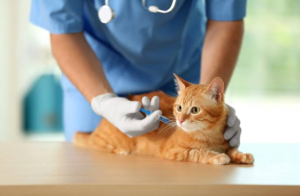
If your veterinarian prescribes pain medication or other medications, administer them exactly as directed. Never give your dog medications intended for people unless specifically advised by your veterinarian.
Monitoring the Recovery Process
Most dogs recover well following routine neutering surgery.
Normal Recovery Signs
It is common for dogs to appear sleepy on the day of surgery and have a slightly reduced appetite for a short time. Mild swelling around the incision may also occur. Most dogs gradually return to their normal energy levels within several days.
When to Contact Your Veterinarian
Seek veterinary care immediately if you notice excessive swelling, bleeding, discharge from the incision, persistent vomiting, severe pain, difficulty urinating, or loss of appetite lasting longer than expected. Prompt treatment helps prevent complications.
Choosing the Right Veterinary Clinic
Selecting experienced spay and neuter clinics gives pet owners confidence throughout the surgical process. Knowing how to choose the best neuter clinic for your pet can help ensure your pet receives safe, compassionate care before, during, and after surgery.
Experienced Surgical Care
Choose a veterinary clinic that regularly performs routine neutering procedures and follows modern surgical and anesthesia protocols. Experienced teams provide high-quality care before, during, and after surgery.
Clear Communication
Good spay and neuter clinics explain the procedure, provide detailed aftercare instructions, and remain available to answer questions during your dog’s recovery. Clear guidance helps owners feel well prepared.
Conclusion
Choosing to neuter your dog is an important step that can provide lasting health and lifestyle benefits for many pets. Understanding what happens before, during, and after surgery helps owners prepare with confidence while supporting a safe and comfortable recovery.
Experienced spay and neuter clinics provide compassionate care throughout the entire process, from the initial examination to post-operative support. Reach out Happy Tails Animal Hospital to schedule your dog’s neutering surgery and receive compassionate care, expert guidance, and support before, during, and after the procedure.
Frequently Asked Questions
Q1: What does it mean to neuter a dog?
To neuter a dog means surgically removing the testicles of a male dog to prevent reproduction. The procedure is performed under general anesthesia by a veterinarian.
Q2: Is neutering a safe procedure?
Yes. Neutering is a routine veterinary procedure that is generally considered very safe for healthy dogs when performed by an experienced veterinary team.
Q3: How long does recovery take?
Most dogs recover well within one to two weeks, although your veterinarian will advise when your dog can safely return to normal activities.
Q4: What do spay and neuter clinics provide?
Spay and neuter clinics offer surgical procedures, pre-operative examinations, anesthesia monitoring, pain management, and post-operative care to help pets recover safely.
Q5: Can my dog eat after surgery?
Your veterinarian will provide feeding instructions after the procedure. Many dogs can eat a small meal once they are fully awake, although appetite may be temporarily reduced.