As a pet owner, few experiences are more alarming than seeing your furry friend in distress. Knowing when your pet requires emergency surgeries can be the difference between life and death. At Happy Tails Animal Hospital, we specialize in emergency pet surgery in Renton, providing swift and compassionate care for pets in critical conditions. This guide will help you identify the signs of emergency situations and understand how our animal surgery clinic can assist in urgent cases.
Understanding Emergency Pet Surgery
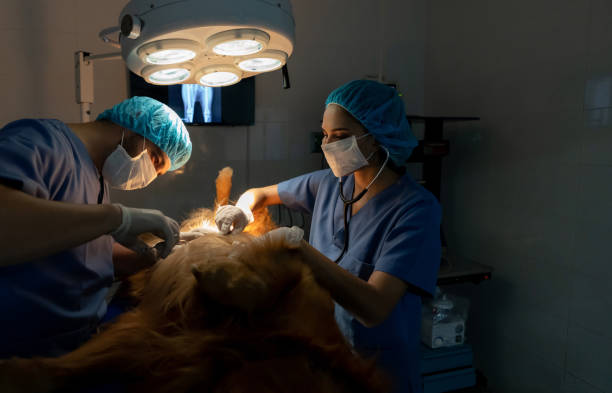
Emergency pet surgery refers to immediate surgical intervention required to address life-threatening conditions in pets. Unlike routine procedures, these surgeries are performed without delay to prevent worsening of injuries or illnesses. At our pet surgery Renton WA facility, we ensure that pets receive comprehensive preoperative assessment, advanced surgical care, and detailed post-operative support.
Pets cannot always communicate their pain or discomfort, making it crucial for pet owners to recognize symptoms that may necessitate urgent surgical attention.
Common Signs of Emergency in Pets
Recognizing the signs of emergency in pets is essential for swift action. Some situations demand immediate evaluation at an animal surgery clinic, including:
Persistent Vomiting or Diarrhea
If your pet experiences repeated vomiting or diarrhea, it could indicate gastrointestinal blockages or infections. Surgical intervention may be required to remove obstructions or address underlying issues.
Difficulty Breathing
Laboured breathing, wheezing, or continuous coughing can signal respiratory distress or conditions like Brachycephalic Airway Syndrome in certain breeds. Emergency surgery may be necessary to restore proper airflow.
Trauma or Accidents
Pets involved in car accidents, falls, or fights can sustain injuries that require urgent surgery, such as fracture repair or wound closure. Our pet surgery Renton WA team is equipped to provide critical care for these emergencies.
Persistent Lameness or Difficulty Moving
Sudden limping, inability to walk, or abnormal posture may indicate orthopaedic emergencies like fractures or ligament tears that need immediate surgical attention.
Swelling or Abdominal Distention
Abdominal bloating, pain, or a distended stomach can indicate conditions such as gastric dilatation-volvulus (GDV), which is life-threatening and requires emergency intervention.
Severe Bleeding
Excessive bleeding from injuries, wounds, or surgical sites demands urgent veterinary care to prevent shock and stabilize the pet.
Ingested Foreign Objects
Pets may swallow toys, bones, or other objects, leading to blockages in the digestive system. Emergency pet surgery in Renton can safely remove these obstructions.
Changes in Bathroom Habits
Sudden inability to urinate, blood in urine, or constipation may signal urinary blockages or other critical conditions requiring surgical intervention.
Why Emergency Surgery is Critical
Emergency situations are unpredictable, but timely intervention greatly improves outcomes. Emergency surgeries can:
- Save lives by addressing life-threatening injuries or illnesses
- Prevent complications from untreated conditions
- Alleviate pain and improve quality of life
- Correct congenital or acquired abnormalities before they worsen
At Happy Tails Animal Hospital, our animal surgery clinic combines critical care expertise with advanced surgical techniques to manage these urgent cases efficiently.
The Emergency Surgery Process
When a pet requires emergency surgery at our pet surgery Renton WA facility, the process is designed to maximize safety and recovery:
Rapid Assessment
Upon arrival, our veterinary team performs a thorough evaluation to determine the severity of the condition and the need for surgical intervention.
Stabilization
Pets in shock or distress are stabilized with fluids, oxygen, or medications before surgery to ensure a safer procedure.
Anaesthesia and Monitoring
Advanced anaesthesia protocols are used, and pets are closely monitored throughout the surgery to maintain vital signs and comfort.
Surgical Procedure
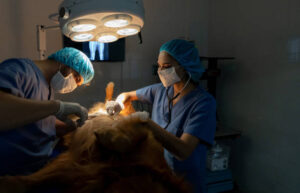
Our experienced veterinarians utilize state-of-the-art equipment to perform precise and effective surgeries, tailored to the pet’s specific needs.
Post-Operative Care
After surgery, pets are monitored in a controlled environment. Owners receive detailed instructions on post-operative care, including medication administration, diet modifications, and activity restrictions.
Common Emergency Surgeries We Perform
At Happy Tails Animal Hospital, we provide a wide range of emergency surgical procedures, including:
- Gastric Dilatation-Volvulus (GDV) Surgery for bloating emergencies
- Fracture Repairs for trauma-related injuries
- Foreign Object Removal from the digestive system
- Blocked Cat Procedures such as Perineal Urethrostomy
- Soft Tissue Mass Removals to address tumours or infections
- Wound Repair and Abscess Treatment
- Urgent Spays or Neuters in special circumstances
Our goal is to provide prompt, effective care that minimizes risks and supports full recovery.
Prevention and Early Detection
While not all emergencies can be prevented, proactive measures can reduce the likelihood of severe situations:
- Regular Check-Ups: Routine veterinary exams help identify potential health issues before they escalate. Learn more about our exams and wellness services at Happy Tails.
- Safe Environment: Ensure pets are supervised during outdoor activities and prevent access to hazardous objects.
- Healthy Diet and Weight: Maintain optimal nutrition and weight to reduce risks of digestive blockages, obesity-related conditions, and other emergencies.
- Observation: Monitor your pet’s behaviour and habits. Early detection of changes can be lifesaving.
How to Prepare for a Pet Emergency
Emergencies are unpredictable, but preparation can improve outcomes:
- Know Your Veterinarian Contact Information: Save our animal surgery clinic number in your phone for immediate access.
- Have an Emergency Kit: Include pet medications, a leash, carrier, and recent medical records.
- Transport Safely: Use secure carriers or harnesses to protect your pet during travel.
- Remain Calm: Pets can sense stress; staying composed helps them remain calm.
Why Choose Happy Tails Animal Hospital for Emergency Surgeries
Our pet surgery Renton WA team stands out for:
- Experienced Veterinarians and Technicians:Skilled in critical care and advanced surgical procedures.
- State-of-the-Art Equipment:Ensures precise surgeries and effective monitoring.
- Individualized Care: Each pet’s health and recovery plan is tailored to their unique needs.
- Compassionate Support: We guide pet owners through the process with clear instructions and reassurance.
Our focus is always on achieving the best outcomes while minimizing stress for pets and their owners.
Conclusion
Recognizing the need for emergency surgeries in pets is critical for ensuring their safety and well-being. By understanding the signs of emergency, seeking prompt urgent veterinary care, and trusting our skilled team at Happy Tails Animal Hospital, you can provide the best possible outcomes for your pet.
If you notice any concerning symptoms or require immediate surgical evaluation, do not hesitate to contact us. Our pet surgery Renton WA specialists are ready to provide compassionate, expert care when your pet needs it most.
FAQs About Emergency Pet Surgery
Q1:How do I know if my pet needs emergency surgery?
Watch for symptoms like persistent vomiting, difficulty breathing, trauma, severe bleeding, or sudden behavioural changes.
Q2:Is anaesthesia safe for emergency surgeries?
Yes, with proper monitoring and advanced techniques, anaesthesia is generally safe even in urgent cases.
Q3:How quickly should I bring my pet to an animal surgery clinic?
Pets showing signs of critical illness should be seen immediately. Early intervention often improves outcomes.
Q4:Can all emergencies be treated surgically?
Not all, but surgical intervention is often necessary for blockages, severe injuries, and life-threatening conditions.
Q5:How long will recovery take after emergency surgery?
Recovery depends on the type of surgery, age, and overall health. Our team provides detailed post-operative care instructions.