
Pregnancy in pets is a delicate phase that requires attentive care, proper nutrition, and timely veterinary support. If you’re in Renton and need emergency vet services, knowing what to expect during your pet’s pregnancy can make all the difference. Whether you’re caring for a dog, cat, rabbit, or guinea pig, understanding the stages of pregnancy and how to support your pet through each one is essential for a safe and healthy outcome.
Understanding Pet Pregnancy
Pet pregnancy varies by species, but the fundamentals of care remain consistent. Recognizing the early signs and understanding the gestation timeline helps ensure a healthy pregnancy and delivery. Early detection allows for timely veterinary intervention, which can prevent complications and ensure proper fetal development.
Signs of Pregnancy in Pets
Pets may not always show obvious signs of pregnancy in the early stages. However, common indicators include:
- Swollen abdomen and nipples
- Behavioral changes like nesting or increased affection
- Decreased activity or fatigue
- Increased appetite
- Vomiting or morning sickness (in some cases)
- Weight gain and mood swings
If you notice these signs, schedule a veterinary appointment to confirm pregnancy and begin prenatal care.
Gestation Periods by Species
| Pet Type | Average Gestation Period | Common Signs | Vet Visit Recommendation |
| Dogs | 58–68 days | Nesting, weight gain | Within 2 weeks of suspected pregnancy |
| Cats | 63–65 days | Vocalization, hiding | Early ultrasound confirmation |
| Rabbits | 28–31 days | Aggression, nesting | Immediate vet consultation |
| Guinea Pigs | 59–72 days | Lethargy, appetite changes | Regular monitoring |
Understanding the gestation period helps you prepare for delivery and monitor your pet’s health throughout pregnancy.
Prenatal Care Essentials
Providing prenatal care is crucial for your pet’s health and the development of her offspring. This includes vet visits, dietary adjustments, and creating a safe environment. Prenatal care also reduces the risk of miscarriage, premature birth, and developmental issues in the litter.
Veterinary Support
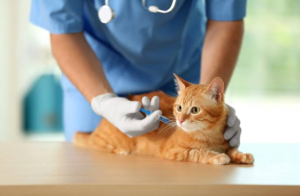
Regular vet check-ups are essential throughout pregnancy. Your vet will:
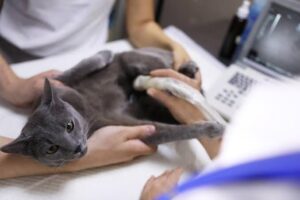
- Confirm pregnancy via palpation or ultrasound
- Monitor fetal development
- Advise on delivery preparation
- Screen for complications such as infections or gestational diabetes
If you’re considering a veterinary ultrasound, it’s best done around day 25–30 of gestation for dogs and cats. Ultrasounds help determine litter size, fetal health, and expected delivery dates.
Nutritional Needs
Pregnant pets require a balanced diet rich in protein, calcium, and essential vitamins. Malnutrition during pregnancy can lead to weak offspring and health issues for the mother. Key tips include:
- Switch to high-quality puppy or kitten food
- Avoid raw diets during pregnancy due to bacterial risks
- Provide fresh water at all times
- Consult your vet before adding supplements like folic acid or omega-3 fatty acids
- Feed smaller, more frequent meals to accommodate reduced stomach space
Safe Environment Preparation
Creating a stress-free, clean, and warm space for your pet is vital. A safe environment reduces anxiety and promotes healthy development. Consider:
- A quiet nesting area with soft bedding
- Limiting interaction with other animals
- Avoiding strenuous activity or travel
- Keeping her indoors during the final weeks
- Using pheromone diffusers to reduce stress
Preparing for Delivery
As your pet nears labor, knowing what to expect can help you support her effectively. Preparation includes understanding labor signs, having supplies ready, and knowing when to intervene.
Recognizing Labor Signs
Labor signs vary but typically include:
- Restlessness and pacing
- Digging or nesting behavior
- Drop in body temperature (below 100°F in dogs)
- Panting or trembling
- Clear or bloody discharge
- Loss of appetite
Monitor your pet closely during this time and keep your vet’s contact information handy.
Delivery Support
Most pets deliver naturally without assistance. However, you should:
- Stay nearby but avoid interfering unless necessary
- Keep emergency vet contact handy
- Watch for signs of distress or prolonged labor
- Ensure each newborn is breathing and nursing
- Use clean towels to dry and stimulate newborns if needed
Have a birthing kit ready with gloves, towels, scissors (for cutting umbilical cords if needed), and antiseptic.
Postnatal Care
After delivery, both the mother and her babies need attentive care to ensure recovery and growth. Postnatal care includes monitoring health, feeding, and ensuring a clean environment.
Health Monitoring
- Schedule a vet check-up within 24–48 hours
- Monitor for infections or mastitis
- Ensure all newborns are nursing properly
- Track weight gain and development
- Watch for signs of postpartum depression or aggression
Nutrition and Weaning
Proper nutrition supports lactation and recovery. Tips include:
- Continue feeding the mother high-calorie food
- Introduce soft food to puppies/kittens at 3–4 weeks
- Begin weaning by 6–8 weeks
- Provide clean water and safe feeding bowls
- Avoid cow’s milk for newborns—use vet-recommended milk replacers if needed
Gradual weaning helps reduce stress and ensures healthy digestion.
Local Resources in Renton
Renton offers several resources to support pet owners during pregnancy and postnatal care. These include veterinary clinics, pet supply stores, and community groups.
Veterinary Clinics & Emergency Services
- Happy Tails Animal Hospital
- Renton Veterinary Hospital
- Emergency Animal Clinic of South Seattle
These clinics offer prenatal check-ups, emergency care, and postnatal support.
Pet Supply Stores
- Pet Pros Renton
- Mud Bay
- PetSmart Renton
These stores carry prenatal supplements, bedding, nursing kits, and puppy/kitten food.
Support Groups & Online Communities
- Renton Pet Parents Facebook Group
- Reddit’s r/pets and r/dogs
- Local Meetup groups for pet owners
Joining a community helps you share experiences, ask questions, and get emotional support during your pet’s pregnancy journey.
When to Call the Vet Immediately
Certain symptoms during pregnancy or labor require urgent attention. Don’t wait if you notice:
- Excessive vomiting or diarrhea
- Bleeding during pregnancy
- No delivery after 2 hours of active labor
- Weak or unresponsive newborns
- Mother neglecting her babies
- Signs of infection (fever, foul-smelling discharge)
- Difficulty breathing or collapse
Prompt veterinary care can save lives and prevent complications.
Tips for First-Time Pet Parents
If this is your first time caring for a pregnant pet, here are some extra tips:
- Keep a pregnancy journal to track symptoms and vet visits
- Watch educational videos on pet labor and delivery
- Prepare a quiet, dimly lit birthing area
- Avoid loud noises and visitors during labor
- Keep your vet’s number saved in your phone and posted near the nesting area
Being informed and prepared helps reduce stress for both you and your pet.
Conclusion
Caring for a pregnant pet is a rewarding experience that requires preparation, patience, and professional support. From recognizing pregnancy signs to ensuring safe delivery and postnatal care, your role as a pet parent is vital. With the right resources and veterinary guidance, you can help your pet have a smooth and healthy pregnancy. If you have questions or need help, reach out at the Contact Us page of Happy Tails Animal Hospital.
FAQs
1. How can I tell if my pet is pregnant?
Look for physical changes like swollen nipples, weight gain, and behavioral shifts. A vet can confirm pregnancy through palpation or ultrasound.
2. What should I feed my pregnant dog or cat?
Switch to high-quality puppy or kitten food. Avoid raw diets and consult your vet about supplements.
3. Is it safe to exercise my pregnant pet?
Light exercise is fine, but avoid strenuous activity, jumping, or rough play, especially in the final weeks.
4. How many babies will my pet have?
It varies by species and breed. Dogs may have 1–12 puppies, cats 1–8 kittens. Ultrasound can help estimate litter size.
5. What should I do if my pet has trouble during labor?
Call your vet or an emergency clinic immediately. Prolonged labor or signs of distress require professional intervention.