Discovering a mass or lump on your pet can be a concerning experience for any pet owner. At Happy Tails Animal Hospital, we prioritize your pet’s health and well-being. Guided by the expertise of Dr. Mann, we offer advanced mass removal surgery for dogs and cats to ensure your pet’s health is not compromised and to provide you with peace of mind.
Symptoms Indicating the Need for Mass Examination or Removal
- Visible lumps or bumps on or under the skin
- Swelling in a specific area
- Changes in the size or color of an existing lump
- Areas that cause discomfort or pain when touched
- Ulcers or wounds that don’t heal
Why is Mass Removal Surgery for Dogs and Cats Needed?
While any unexpected growth or mass on a pet can be a source of worry for pet owners, it’s crucial to recognize that their implications can vary widely. Some of these masses may be benign, posing little threat to the pet’s overall health. However, there remains the possibility of malignant tumors that require immediate and expert attention. Addressing these masses promptly ensures a pet’s current well-being and helps preempt potential health issues.
Beyond the overarching health concerns, there are practical implications to consider. Masses that are large or situated in inconvenient locations can cause significant discomfort for the pet, sometimes even hindering their natural movement. By opting for mass removal surgery for dogs and cats, veterinarians can also obtain a precise pathology of the mass, which is vital for determining subsequent treatments. This proactive approach to mass removal serves a dual purpose: providing immediate relief to the pet while also averting potential complications that might arise in the future.
Treatment Process
- Initial Consultation: Dr. Mann will conduct a thorough examination of the mass, considering its size, location, and other factors.
- Diagnostic Testing: Before removal, diagnostic tests like needle aspirates or biopsies might be performed to understand the mass’s nature.
- Mass Removal: Under appropriate anesthesia, the mass will be surgically removed using sterile techniques.
- Pathological Examination: The excised mass might be sent for a histopathological examination to determine its type and if further treatments are necessary.
- Recovery and Aftercare: Post mass removal surgery for dogs and cats; specific care guidelines will be provided to ensure proper healing and minimize complications.
Proactive Measures for Optimal Pet Health
Regular visits to the veterinarian play a foundational role in your pet’s overall well-being. These routine check-ups often lead to the early detection of any unusual lumps or masses, ensuring that potential issues are addressed before they escalate. Early identification and intervention often result in better outcomes and less invasive treatments.
Moreover, just as in humans, a pet’s lifestyle significantly impacts its health. Feeding them a balanced diet and ensuring they exercise regularly can notably bolster their immune system. This enhanced immunity can act as a barrier, reducing the risk of certain tumors. Additionally, pet owners need to be cautious about their pets’ surroundings. Limiting their exposure to harmful chemicals or potentially risky environments is a crucial step in minimizing the chances of tumor development.
Anticipating the Future: Understanding Mass Discoveries in Pets
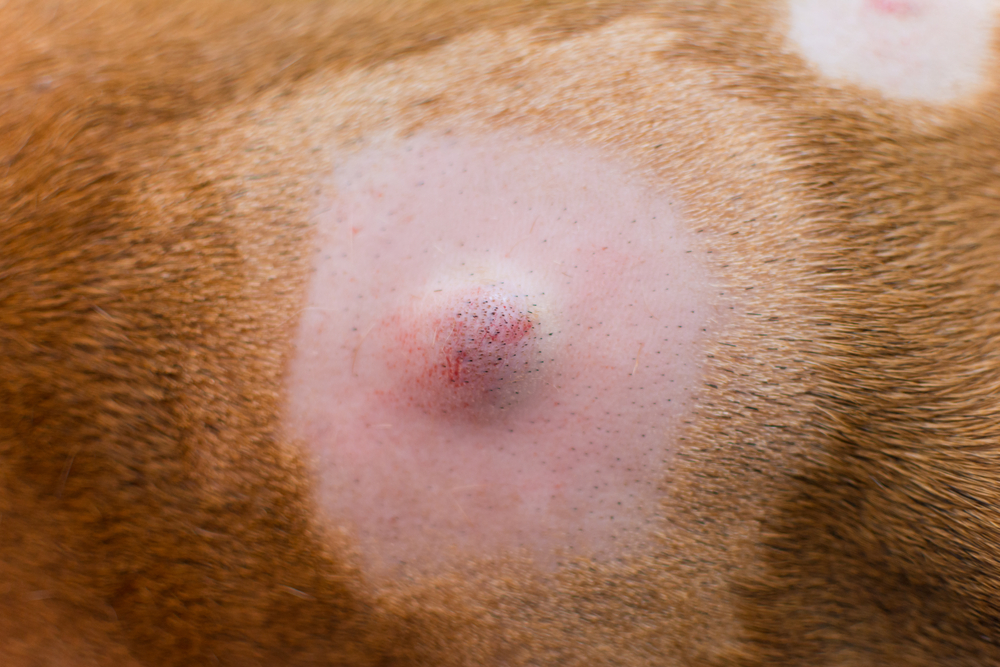
Identifying a mass on your cherished pet can undoubtedly trigger concerns. However, it’s essential to understand that not every mass points towards a grave condition. In many instances, these masses are benign, presenting little to no risk to your pet’s health. The key, as with many medical conditions, lies in early detection. Recognizing and addressing these lumps or masses at the onset can greatly influence the prognosis, often ensuring more favorable outcomes.
Dr. Mann, along with the dedicated team at Happy Tails, stands ready to provide unparalleled care in these situations. Leveraging their expertise, they aim for interventions that not only address the immediate concern but also prioritize the pet’s long-term health and comfort. Their comprehensive approach ensures that pets and their owners can navigate such discoveries with informed confidence and hope.
Frequently Asked Questions
Is every mass discovered on my pet a cause for concern?
Not every mass is malignant or harmful. However, it’s essential to have any lump or bump examined by a professional to determine its nature and whether intervention is necessary. Early detection is key to addressing potential issues.
How long is the recovery period after a mass removal surgery for dogs and cats?
The recovery duration can vary based on the size and location of the mass, as well as the individual pet. Typically, most pets begin to heal within a few days to a week. Dr. Mann will provide specific aftercare instructions tailored to your pet’s needs.
Will there be any follow-up appointments after the mass removal?
Yes, follow-up appointments are crucial to monitor the healing process and to discuss any pathology results. Dr. Mann will advise on the number and frequency of follow-ups required based on the individual procedure and findings.
Can a mass come back after removal?
Some masses may return depending on their type, location, and underlying cause. We discuss expectations and any recommended monitoring after surgery.
When is mass removal surgery for dogs and cats recommended?
We may recommend surgery when a mass is growing, causing discomfort, affecting movement, or showing concerning changes. Early evaluation helps us determine the best treatment approach.
Will you test the mass after it is removed?
In some cases, we may recommend laboratory testing to better understand the nature of the mass. This information can help guide follow-up care.
What signs should I watch for before bringing my pet in for evaluation?
Changes in size, redness, bleeding, discomfort, or interference with eating or movement should be evaluated promptly so we can assess your pet’s condition.
Will my pet need to stay at the hospital after surgery?
This depends on the procedure and your pet’s recovery. We monitor them closely and let you know when it is safe to return home.
How do you prepare pets for mass removal surgery for dogs and cats?
We perform a thorough exam, review diagnostic findings, and discuss the procedure beforehand. This helps us create a safe surgical plan tailored to your pet.
How do I care for my pet after mass removal surgery?
We provide detailed aftercare instructions, including activity restrictions, incision monitoring, and medication guidance to help support a safe and comfortable recovery.
Schedule a Consultation Today
For detailed evaluations and expert mass removal procedures, trust the team at Happy Tails Animal Hospital in Renton, WA. Ensure your pet’s health and safety by calling us at (425) 254-2779. Your pet’s health is our top priority, and we’re here to guide you every step of the way.